Statutory duty under the Counter-Terrorism and Security Act 2015 (s.26)
All schools, colleges, universities, NHS trusts, local authorities, prisons and probation services in England and Wales must have due regard to the need to prevent people from being drawn into terrorism. Non-compliance can result in Ofsted or HMI inspection findings, regulatory action, and in serious cases referral to the Secretary of State.

What the Prevent Duty Requires of Schools
Governance & Leadership
- ✓ Senior leadership team with named Prevent lead
- ✓ Prevent risk assessment reviewed annually
- ✓ Prevent policy embedded in wider safeguarding policy
- ✓ Governor/trustee awareness of Prevent obligations
Staff Training
- ✓ All staff receive WRAP (or equivalent) training
- ✓ DSL receives advanced Prevent/Channel training
- ✓ Training refreshed when threat landscape changes
- ✓ New staff trained before unsupervised access to pupils
Safe Space & Curriculum
- ✓ Fundamental British Values embedded across curriculum
- ✓ Safe space for pupils to discuss sensitive topics
- ✓ Online safety education covering radicalising content
- ✓ PSHE/RSE includes extremism and radicalisation content
IT & Online Safety
- ✓ Filtering software blocking terrorist/extremist content
- ✓ Monitoring systems to detect radicalising searches
- ✓ Guest speaker vetting policy (Fundamental British Values)
- ✓ Clear process for reporting online extremist content
Prevent Articles & Guides

Recognising Radicalisation: Warning Signs, Vulnerability Factors & Channel
The complete professional guide to identifying vulnerability, understanding the ERG22+ framework, and making a Channel referral. Read the full guide →

Online Radicalisation: How Extremist Content Reaches Young People
Telegram, Discord, gaming platforms and the algorithm "rabbit hole" need careful management by parents to protect young people online. Read the full guide →
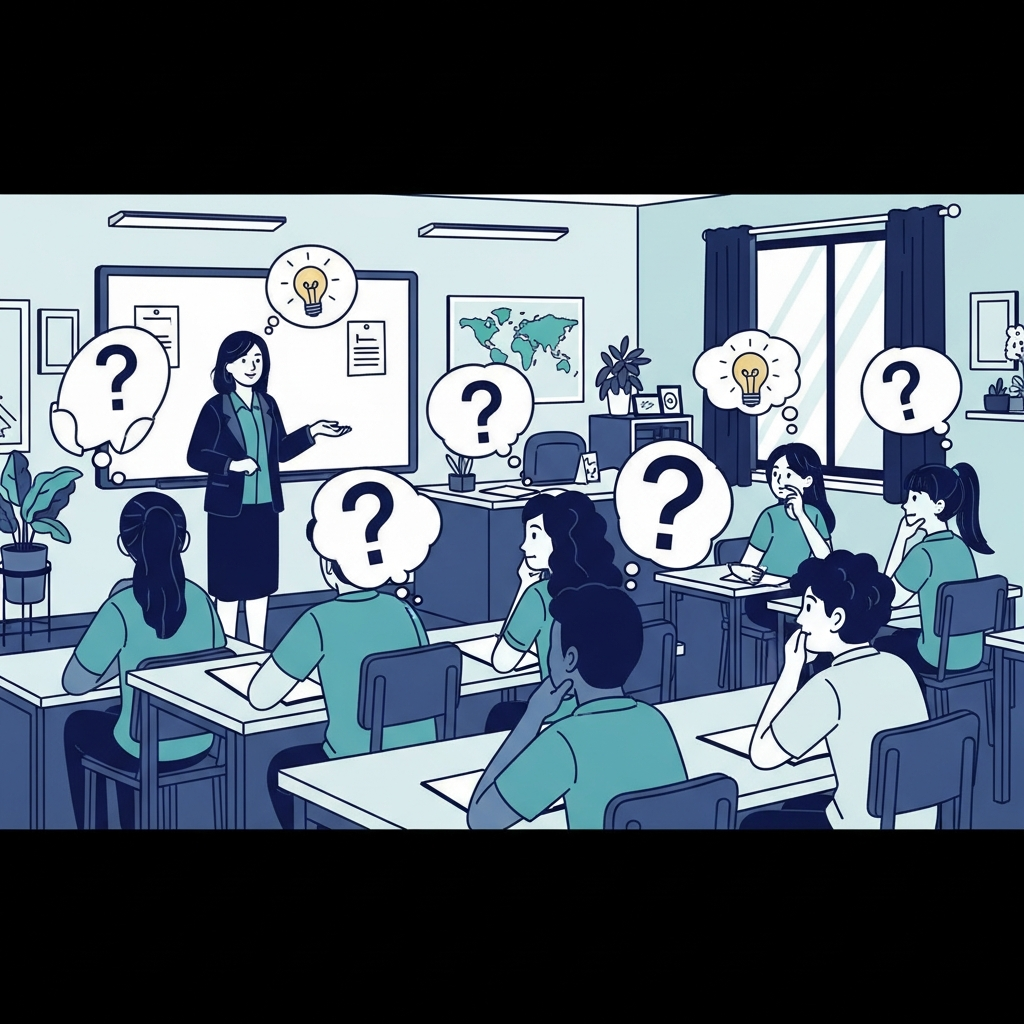
Challenging Extremist Narratives: A Guide for Secondary School Teachers
Evidence-based techniques for facilitating difficult classroom conversations about extremism, and when to refer rather than continue. Read the full guide →
Types of Radicalisation in the UK: Far-Right, Islamist & Mixed-Ideology Threats
CONTEST 2023 data and Home Office statistics on the UK extremism context are essential background for any Prevent practitioner. Read the full guide →
The Prevent Duty 2024: A Practical Guide for School Staff and DSLs on Radicalisation
Our comprehensive overview of the Prevent Duty, what it means in practice for schools, and how to embed it within your safeguarding culture. Read →
The Channel Referral Process
Channel is a voluntary, multi-agency early intervention programme for individuals identified as vulnerable to radicalisation. It is not a criminal justice process. The Channel Duty Guidance 2023 sets out the following pathway:
A member of staff identifies a concern and reports it to the DSL. The DSL records the concern and makes an initial assessment.
Where the concern meets the threshold for vulnerability to radicalisation causing risk of involvement in terrorism, the DSL refers to the local authority Prevent lead or local police Prevent team.
A multi-agency panel (police, local authority, health, education) assesses the vulnerability and, with the individual's consent, agrees a tailored support plan.
Tailored interventions may include mentoring, cognitive behavioural therapy, faith engagement, education or employment support. All are voluntary.
The panel meets regularly to review progress. The case is closed when vulnerability is sufficiently reduced. There is no criminal record.
Key contact: ACT Early (Home Office confidential referral portal) actearly.campaign.gov.uk . Anti-Terrorist Hotline: 0800 789 321 (24/7, free).
Radicalisation Warning Signs in Educational Settings
Verbal & Written Indicators
- ● Justifying violence to achieve political or religious goals
- ● Expressing sympathy for terrorist attacks or organisations
- ● Dehumanising language towards specific groups
- ● Written work, essays or art glorifying violence or martyrdom
- ● Probing questions about terrorist tactics or ideology
Behavioural Indicators
- ● New friendship group, particularly older individuals with extreme views
- ● Increased secretiveness about online activity
- ● Wearing or displaying extremist symbols
- ● Withdrawing from previous religious, cultural or social activities
- ● Desire to travel to conflict zones
MASH / Prevent Referral Indicators
Consider immediate Prevent referral via your DSL if a young person:
- ● Expresses intent or desire to commit or support a terrorist attack
- ● Has been in contact with known extremist individuals or proscribed organisations
- ● Is planning to travel or has recently returned from a conflict zone
- ● Has been found in possession of extremist propaganda or weapons
- ● Is producing online content that promotes or glorifies terrorism
- ● Shows a combination of significant vulnerability factors alongside ideological indicators
If you believe there is an immediate risk to life: call 999. Anti-Terrorist Hotline (24/7): 0800 789 321. ACT Early (online): actearly.campaign.gov.uk
Fundamental British Values: What Schools Must Promote
Under Keeping Children Safe in Education and the Education Act 2002, schools must actively promote Fundamental British Values (FBV). This goes beyond simply not undermining them. Ofsted inspections verify this evidence.
Key Legislation & Statutory Guidance
-
Counter-Terrorism and Security Act 2015 (s.26): The primary legislative source of the Prevent Duty for specified authorities.
-
Prevent Duty Guidance 2023 (Home Office): Updated statutory guidance in force from December 2023, replacing the 2015 guidance.
-
Channel Duty Guidance 2023 (Home Office): Sets out the legal framework for Channel panels and the multi-agency referral process.
-
KCSIE 2026 (DfE): Keeping Children Safe in Education mandates Prevent awareness training for all school staff and sets out DSL responsibilities.
-
Working Together to Safeguard Children 2026 (HM Government): Includes Prevent as part of the broader multi-agency safeguarding framework.
-
CONTEST 2023 (HM Government): The UK's counter-terrorism strategy provides the strategic context for the threat informing Prevent.
Sources & Statutory Guidance: Home Office (2023). Prevent Duty Guidance for England and Wales 2023. gov.uk. | Home Office (2023). Channel Duty Guidance 2023. gov.uk. | Home Office (2025). Individuals Referred to and Supported through the Prevent Programme, year ending March 2025. gov.uk. | HM Government (2023). CONTEST: The United Kingdom's Strategy for Countering Terrorism 2023. gov.uk. | MI5 (2024). Threat Level Statement. mi5.gov.uk. | DfE (2026). Keeping Children Safe in Education 2026. gov.uk. | HM Government (2026). Working Together to Safeguard Children 2026. gov.uk. | Counter-Terrorism and Security Act 2015 (s.26). Last reviewed: April 2026.
Articles on This Topic
In-depth guides and commentary from The Safeguard Hub.
- → Prevent Duty Explained: What School Staff Must Know in 2026
- → Recognising Radicalisation: Warning Signs & Channel Referral Process
- → Types of Radicalisation in the UK: Far-Right, Islamist & Mixed Ideology
- → The Prevent Duty 2024: A Practical Guide for DSLs