Ketamine: The Complete UK Guide. Pharmacology, Health Risks, Bladder Syndrome, Dependence, Safeguarding and Treatment (2026)
Treatment demand has risen eight-fold since 2015; some young users require bladder removal by their twenties. This authoritative in-depth guide covers everything DSLs, parents, and clinicians need to know.
Introduction: Why Ketamine Demands Urgent Attention
Ketamine is no longer a niche club drug. In the space of a decade it has moved from hospital anaesthetic rooms and festival fields into secondary schools, social housing stairwells, and university common rooms across the United Kingdom. The Office for Health Inequalities and Disparities (OHID) recorded more than 17,000 people entering drug treatment specifically citing ketamine as their primary substance in 2022, 23, a figure that was fewer than 2,000 a decade earlier. Emergency department presentations for ketamine-related harm have surged by nearly 60% since 2020. Behind those statistics lies a hidden clinical catastrophe: ketamine bladder syndrome, an irreversible and profoundly disabling condition that has left teenagers and young adults requiring urological surgery, including total bladder removal.
This treatise is written for Designated Safeguarding Leads, school and college safeguarding teams, health and social care professionals, and parents who want a thorough, evidence-based understanding of what ketamine is, how it works, what it does to the body and mind over time, and what the law, the NHS, and current best practice say about prevention, early intervention, and treatment.
Part I. Pharmacology and History
1.1 Discovery and Medical History
Ketamine was first synthesised in 1962 by chemist Calvin Stevens at Parke-Davis, as a safer alternative to phencyclidine (PCP). It was approved for human use by the US Food and Drug Administration in 1970 and used extensively as a battlefield anaesthetic during the Vietnam War due to its ability to maintain respiration and airway reflexes even at full anaesthetic doses. This was a critical advantage in the field. It received UK marketing authorisation from what is now the Medicines and Healthcare products Regulatory Agency (MHRA) and remains an essential medicine on the NHS to this day. It is also widely used in veterinary practice, which has historically made it a target for diversion.
In the 1990s ketamine began appearing in UK club culture, emerging alongside MDMA and LSD at raves. Its street profile remained relatively low until the mid-2010s when cheaper supply chains, largely originating from illicit synthesis in China and India, dramatically reduced the street price, making it more accessible than almost any other Class B substance.
1.2 Mechanism of Action: The NMDA Receptor
Ketamine's primary mechanism is non-competitive antagonism of the NMDA (N-methyl-D-aspartate) glutamate receptor. NMDA receptors are ion channels that normally open when glutamate, the brain's main excitatory neurotransmitter, binds to them. By blocking the channel from the inside (a mechanism called open-channel block), ketamine prevents the normal flow of calcium ions into the neurone, disrupting synaptic transmission across a wide range of brain circuits.
This action produces its characteristic dissociative effects: perception of self and environment become separated. At sub-anaesthetic doses this produces floating sensations, perceptual distortions, and euphoria. At higher doses, full dissociation occurs. The user is conscious but entirely disconnected from reality and unable to act volitionally (the "K-hole").
Ketamine also acts on:
- Opioid receptors (mu, delta, kappa) contribute to analgesia and rewarding effects.
- Sigma receptors may mediate some of the hallucinatory and psychotomimetic properties.
- Monoamine systems (dopamine, serotonin, noradrenaline) are important in its antidepressant properties and potential for abuse.
- Muscarinic receptors : explaining the bronchodilation that makes it safe in emergency airway management
Ketamine exists as two enantiomers: S-ketamine and R-ketamine. The S-isomer (esketamine, marketed as Spravato) is approximately twice as potent as the R-isomer and has received NICE approval in the UK as an adjunct for treatment-resistant depression. This legitimate therapeutic use has increased general awareness of the drug among some groups, and potentially normalised it in certain contexts.
1.3 Pharmacokinetics
When snorted (insufflated), the most common recreational route, ketamine has a bioavailability of approximately 45, 50%, with onset within 5, 15 minutes and effects lasting 45, 90 minutes. Oral ingestion reduces bioavailability to around 20%, producing slower onset. Intramuscular injection delivers near-complete bioavailability with onset under 5 minutes. Intravenous use, which is rare recreationally, produces effects within 30 seconds.
Ketamine is primarily metabolised in the liver to norketamine (which retains pharmacological activity at approximately one-third the potency) and then to dehydronorketamine, which is renally excreted. Half-life is approximately 2, 3 hours. Chronic use upregulates CYP3A4 liver enzymes, leading to faster clearance, a mechanism that drives tolerance and dose escalation.
Part II. The UK Epidemic in Data
2.1 Treatment Demand
The National Drug Treatment Monitoring System (NDTMS), administered by OHID, provides the most comprehensive picture of treatment need. Key findings from the 2022, 23 annual report:
- Ketamine was the primary substance of concern for 17,113 individuals entering drug treatment in 2022, 23, up from 1,980 in 2014, 15. This represents an eight-fold increase.
- Ketamine is now the third most common primary substance cited at drug treatment entry, behind opioids and cannabis
- The median age of new ketamine treatment entrants has fallen from 31 to 24 over the same period
- Nearly 40% of new entrants are aged 18 to 24, with a further 8% aged under 18
- The gender split is approximately 60:40 male to female, notably less male-skewed than for most other substances
2.2 Prevalence (ONS Drug Misuse Survey 2024)
The ONS Crime Survey for England and Wales 2023 to 24 reports:
- 1.3% of adults aged 16, 59 used ketamine in the past year. This is the highest recorded figure, surpassing ecstasy in the 16, 24 age band.
- Among 16 to 24-year-olds, 4.2% reported past-year use and 8.3% reported lifetime use
- Use in this age band has more than doubled since 2019, 20 (1.9%), the sharpest proportional rise of any substance measured
- Reported availability at street level is high: in a 2024 Global Drug Survey panel, 94% of UK ketamine users described it as easy or very easy to obtain
2.3 Hospital Admissions
NHS England Hospital Episode Statistics (HES) data show:
- 4,812 ketamine-related emergency admissions in 2022, 23, up 59% from 3,028 in 2019, 20.
- Admissions for ketamine-associated uropathy (bladder and urinary tract damage) account for approximately 30% of this total
- A significant minority require urological surgery , with cystectomy rates in the under-30 cohort rising year-on-year
- Deaths in which ketamine was implicated: 202 in England and Wales in 2022 (ONS mortality data, where ketamine was a contributory factor, frequently alongside alcohol or benzodiazepines)
Ketamine Primary Treatment Presentations, England, 2015 to 2023 (NDTMS/OHID)
Source: NDTMS/OHID Drug Misuse in England and Wales 2022, 23 (published 2024). Bars represent individuals entering treatment with ketamine as primary substance.
2.4 Street Price and Supply Chains
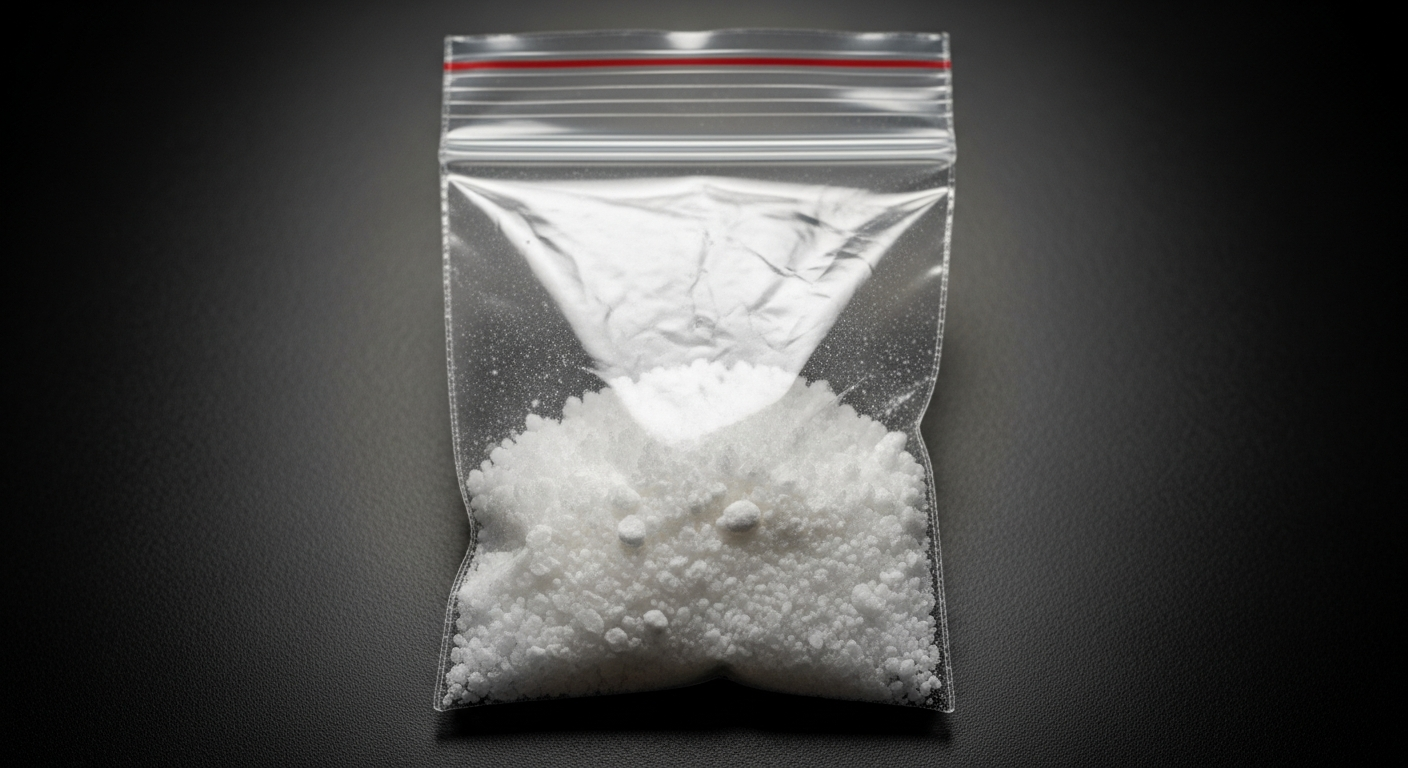
Ketamine is sold in the UK predominantly as a white or off-white crystalline powder, often in small press-seal bags or "wraps". Typical street prices in 2024, 25 range from £15, £30 per gram, with bulk purchases available for as little as £10 per gram. This low cost, cheaper per hour of intoxication than alcohol in many contexts, is a significant driver of its appeal to young people.
The majority of illicitly available ketamine in the UK is derived from precursor diversion and illicit synthesis in South and East Asia, primarily China and India, before being trafficked through European distribution networks. A smaller proportion results from pharmaceutical diversion: veterinary supplies in particular remain a target. Purity testing by WEDINOS (Wales and England Drug Identification Network Offering Support) and The Loop consistently shows street ketamine at 50, 95% purity, meaning adulterants are common, including levamisole, caffeine, and in some samples, NBOMe compounds.
Part III. Routes of Use and What They Signal
| Route | Onset | Duration | Safeguarding notes |
|---|---|---|---|
| Snorting (insufflation) | 5 to 15 min | 45 to 90 min | Most common route. Look for nasal damage, frequent nose bleeds, residue on surfaces. |
| Oral (swallowing) | 15 to 30 min | 90 to 120 min | Used to avoid nasal damage; may indicate escalating use. |
| Rectal (plugging) | 10 to 20 min | 60 to 90 min | Less common; indicates pattern of use seeking maximal bioavailability. |
| Intramuscular injection | <5 min | 30 to 60 min | Rare recreationally but indicates severe dependence. Look for injection marks on arms/thighs. |
Part IV. Acute Effects: From Micro-dose to K-Hole
4.1 Dose-Dependent Effects
The effect profile of ketamine varies enormously by dose. Recreational users typically titrate dose to achieve the desired level of dissociation, making it particularly difficult to predict effect in a group setting:
| Dose range (snorted) | Effect | Observable signs |
|---|---|---|
| 25 to 50 mg | Threshold: mild euphoria, slightly heightened perception, numbing | Relaxed affect, slight slurring, increased talkativeness |
| 50 to 150 mg | Sub-dissociative: strong euphoria, perceptual distortion, body numbness, time distortion | Nystagmus (involuntary eye movements), unsteady gait, inappropriate laughter, social withdrawal |
| 150 to 300 mg | Dissociative: profound detachment from body and environment, near-hallucinatory experiences | Staring blankly, inability to respond verbally, may collapse to floor, rigid posture |
| 300 mg+ or IV/IM | K-hole : full anaesthetic dissociation, immobility, internal experience of profound unreality; may include near-death or out-of-body experiences | Appears unconscious but eyes may be open; unresponsive to commands; airway at risk if vomiting |
4.2 The K-Hole: Clinical and Safeguarding Perspective
The K-hole is not simply "being very high". It represents a near-complete dissociation of consciousness from sensory input and motor control. Users in a K-hole are unable to protect their own airway if they vomit and at risk of hypothermia if outdoors. They may be mistaken for unconscious or even dead. They are also completely unable to consent to any interaction, making K-hole states a specific and serious safeguarding risk, particularly in the context of sexual exploitation.
A person emerging from a K-hole typically experiences significant disorientation lasting 30 to 60 minutes, and may be emotionally distressed, frightened, or highly suggestible. Emergency response: place in the recovery position, call 999, monitor breathing. Do not attempt to "walk off" ketamine intoxication; it must be allowed to clear naturally.
🛑 K-hole as a safeguarding risk
Young people in a K-hole state are unable to resist, call for help, or consent to anything. Police and statutory safeguarding teams increasingly document K-hole states in the context of Child Sexual Exploitation (CSE) and Child Criminal Exploitation (CCE) . If a young person is found in a K-hole and there is any suspicion of exploitation, a referral to the MASH/Children's Social Services must be made immediately, even if the young person later minimises what happened.
Part V: Long-Term Health Consequences
5.1 Ketamine Bladder Syndrome (KBS) / Ketamine Cystitis
Ketamine bladder syndrome is arguably the most alarming chronic complication of regular ketamine use and is unique among recreational drugs in its mechanism and severity. The condition was first described in the medical literature in 2007 (Shahani et al., BJU International ) and has since been documented in thousands of users worldwide.
Clinical Features of Ketamine Bladder Syndrome
- Urothelial damage : Ketamine and its metabolites (particularly norketamine) are excreted in urine in concentrated form and directly damage the transitional epithelium lining the bladder and upper urinary tract
- Symptoms : severe pelvic and lower abdominal pain ("K-cramps"), dysuria (painful urination), gross haematuria (blood in urine), urinary frequency (up to 60 times per day in severe cases), urgency and incontinence
- Progression: the bladder wall fibroses and shrinks. Bladder capacity, which normally is 400, 600 ml, can reduce to as little as 10, 20 ml in severe KBS.
- Upper tract involvement : hydronephrosis (kidney swelling due to urinary obstruction), papillary necrosis, and frank renal failure in advanced cases
- Hepatobiliary involvement : ketamine-associated cholangiopathy (bile duct damage) can accompany KBS, causing biliary dilatation and obstructive jaundice in severe users
- Irreversibility : unlike most drug harms, bladder damage from KBS does not reverse fully upon cessation of ketamine use. Early cessation prevents progression; late cessation may halt but not reverse fibrosis
- Surgical outcomes: a significant proportion of those with advanced KBS require augmentation cystoplasty or total cystectomy (bladder removal) with urinary diversion. These are life-altering operations performed on people as young as 16, 25.
Prevalence: Studies vary, but Winstock et al. (2012) and follow-up literature suggest approximately 20 to 30% of regular users (defined as weekly or more frequent use) develop clinically significant KBS. Onset can occur within months of regular use. Young people appear to be at higher risk due to lower body mass and potentially heavier use relative to body weight.
Safeguarding implication: A young person presenting to a GP or A&E with recurrent unexplained pelvic pain, urinary symptoms, or blood in the urine should prompt a sensitive enquiry about ketamine use. Many young people are deeply embarrassed and may have been suffering for months or years. NICE clinical pathway guidance on unexplained lower urinary tract symptoms in young people (NG7) does not yet explicitly reference ketamine. This is a known gap in current guidance that clinicians should be alert to.
5.2 Neuropsychological and Cognitive Effects
Chronic ketamine use produces measurable changes in brain structure and function, documented through neuroimaging studies:
- Prefrontal cortex atrophy : reduced grey matter volume in frontal regions associated with impulse control, decision-making, and working memory (Morgan et al., Neuropsychopharmacology , 2014)
- White matter integrity: diffusion tensor imaging shows reduced fractional anisotropy in tracts connecting the prefrontal cortex, thalamus, and hippocampus. These pathways are critical for memory consolidation.
- Verbal episodic memory : the most consistently impaired cognitive domain in chronic users; impairment persists for at least one year after cessation in some studies
- Attentional and executive function : deficits in sustained attention, task-switching, and planning comparable in magnitude to those seen in early psychosis
- Psychosis risk : ketamine is a well-established pharmacological model for schizophrenia at the research level. Chronic recreational use significantly elevates the risk of persistent psychotic symptoms, particularly in those with a family history of psychotic illness. ONS mortality data identify schizophrenia spectrum disorders as a risk factor disproportionately present in deceased ketamine users
A crucial point for safeguarding professionals: cognitive deficits from ketamine use can mimic or mask learning disabilities, ADHD, or conduct disorder in educational settings. A young person who appears to have suddenly developed concentration difficulties, social withdrawal, or poor emotional regulation should prompt enquiry about drug use, including ketamine.
5.3 Cardiovascular and Other Physical Effects
- Tachycardia and hypertension : ketamine is a sympathomimetic; it raises heart rate and blood pressure acutely. Combined with alcohol, MDMA, or cocaine this creates significant cardiac risk
- Laryngospasm : rare but potentially fatal; may occur during emergence from anaesthesia-level doses without airway management
- Liver damage : elevated liver enzymes are common in heavy users. Frank hepatotoxicity is associated with polysubstance use, particularly with alcohol
- Nasal septum damage : chronic insufflation causes necrosis of the nasal cartilage; perforation of the nasal septum has been documented in long-term users
- Accident and injury : the profound anaesthetic and analgesic properties of ketamine mean that users who are injured (e.g., falls, burns) may not register pain appropriately, masking the severity of injury
Part VI: Dependence and Withdrawal
6.1 The Nature of Ketamine Dependence
Ketamine dependence is primarily psychological, though evidence for a physiological withdrawal syndrome is growing. Tolerance develops rapidly: a user may progress from recreational doses of 100, 200 mg to daily use of 2, 5 grams within months. The cost of maintaining this habit is £30, £150 per day, which drives acquisitive crime, debt, and in some cases exploitation.
The drug's dissociative properties are particularly reinforcing in young people experiencing trauma, anxiety, depression, or adverse childhood experiences (ACEs). Ketamine provides reliable and rapid escape from emotional pain, a "chemical dissociation" that mirrors the dissociation sometimes associated with trauma itself. This creates a mutually reinforcing cycle: trauma drives use; use impairs emotional regulation, worsening trauma responses; and the physiological consequences (particularly urinary pain) compound distress.
6.2 Withdrawal Syndrome
Unlike opioids, ketamine withdrawal is not typically life-threatening, but it is highly distressing and is a significant barrier to treatment engagement:
- Psychological symptoms : intense cravings, anxiety, panic attacks, dysphoria, depression (sometimes severe), irritability, agitation
- Cognitive symptoms : difficulty concentrating, confusion, memory problems
- Physical symptoms : insomnia, nausea, sweating, tremor (in heavy users), fatigue
- Onset and duration: symptoms typically begin within 24, 72 hours of cessation and peak at 3, 7 days. Psychological symptoms, particularly depression and cravings, may persist for weeks to months.
- Risk of relapse : without structured support, relapse rates in the acute withdrawal period are very high; some patients describe returning to use primarily to manage urinary pain, creating a particularly tragic clinical scenario
There are currently no MHRA-approved or NICE-recommended pharmacological treatments specifically for ketamine dependence . Management is symptom-based: benzodiazepines for acute anxiety (with caution given dependence risk), antidepressants for persistent low mood, and symptom management for urinary pain. This underscores the importance of psychosocial treatment approaches.
Part VII: Polydrug Use and Compounding Risk
Ketamine is rarely used in isolation. The 2024 Global Drug Survey found that 86% of UK ketamine users reported using it in combination with at least one other substance . Key combinations and their risks:
| Combination | Risk profile |
|---|---|
| Ketamine + Alcohol | Most dangerous combination. Both CNS depressants; high risk of respiratory depression, aspiration of vomit, loss of protective reflexes. Significantly over-represented in ketamine-related deaths. |
| Ketamine + MDMA ("Kitty Flipping") | Profound serotonergic and dissociative effects; unpredictable duration; risk of hyperthermia, hyponatraemia, and serotonin syndrome. |
| Ketamine + Cocaine | Cardiovascular stress from both sympathomimetics; paradoxical dissociation/stimulant effects confuse users about level of intoxication; increased risk of cardiac arrhythmia. |
| Ketamine + Benzodiazepines | Marked CNS depression; respiratory risk; frequently prescribed together illicitly to "soften" K-holes. Dramatically increases overdose risk. |
| Ketamine + Cannabis | Very common combination. Intensifies hallucinatory properties; can trigger acute paranoid psychosis in vulnerable individuals. |
Part VIII: Why Young People Are Particularly Vulnerable
- The developing brain : the prefrontal cortex, which governs impulse control, risk assessment, and long-term planning, does not fully mature until the mid-twenties. NMDA receptor antagonism by ketamine disrupts exactly the pathways that are most active and most sensitive during adolescent brain development. Animal studies consistently show that exposure during adolescence produces more severe and longer-lasting cognitive impairments than adult exposure
- Low perceived risk: unlike heroin or crack cocaine, ketamine does not carry significant social stigma among young people. Many view it as a "soft" dissociative, preferable to "harder" drugs. The DfE's own data (RSHE 2024 review) note a significant gap between prevalence of ketamine use and young people's perception of its risk.
- Social media normalisation: TikTok and Instagram content trivialising ketamine use, including K-hole videos framed as humorous, has been documented by the Internet Watch Foundation and the Children's Commissioner. CEOP and NCA county lines intelligence also document dealers using social media to market to young people.
- Festival and nightlife context : while pub and club culture have long been associated with alcohol, ketamine features heavily at music festivals, raves, and house parties attended by young people. Its low price point and easy concealment (a gram fits in a key) make it particularly accessible
- Adverse childhood experiences : NDTMS data consistently show a high rate of ACEs (abuse, neglect, domestic violence, parental substance misuse) among those entering treatment for ketamine. Dissociation is a core trauma response; ketamine may be actively sought as a pharmacological form of this
- County lines exploitation : NCA and Catch22 data document ketamine being distributed through county lines networks, with young people used as drug runners. A young person found in possession of multiple wraps of ketamine may be a victim of CCE rather than a simple possession case
Part IX: Recognising Ketamine Use: Warning Signs by Audience
9.1 For Parents
- White powdery residue on flat surfaces (mirrors, phone screens, books), folded paper, or a key that has been used to scoop powder
- Small press-seal plastic bags; empty or with powder residue
- Unexplained visits to the toilet. Heavy users snort frequently to maintain effect.
- Periods of unusual blankness, staring, or unresponsiveness, dissociative episodes
- Recurring complaints of stomach or pelvic pain, or urgently needing the toilet (early KBS)
- Blood in urine mentioned or discovered (medical emergency if accompanied by ongoing ketamine use)
- Sudden financial problems, missing money, or requests for cash without explanation
- Staying out all night or disappearing without explanation; new and unknown older friends
- Marked decline in school engagement, memory, or concentration
- Frequent nosebleeds or a chronically runny or painful nose
9.2 For Teachers and School Staff
- Sudden and unexplained drop in academic attainment, especially in tasks requiring memory, attention, and planning
- Staring episodes or "zoning out" in class. These may be mistaken for absence seizures or inattentive ADHD.
- Slurred speech, slow or robotically deliberate movements
- Student appears heavily intoxicated during school hours (emergency: remove from class, call parents, consult DSL, consider 999 if unresponsive)
- Reports from peers or siblings of drug use; social changes including new peer group and withdrawal from established friends
- Evidence found in school: powder, bags, improvised snorting straws (cut drinking straws, rolled notes)
- Repeated absences correlated with weekends/nights out; lateness on Monday mornings
- Changes in emotional regulation: heightened anxiety, depression, paranoia, or emotional flatness
9.3 For Health and Social Care Professionals
- Unexplained lower urinary tract symptoms in young people (frequency, urgency, pain, haematuria) without clear infective cause: consider KBS
- Recurrent "K-cramps": severe, cramping lower abdominal pain typically worse after use and sometimes persisting for hours
- Elevated liver enzymes (ALT, AST, GGT) in an otherwise healthy young person without alcohol history
- Psychotic symptoms in a young person: command hallucinations, paranoid ideation, thought disorder. If acutely intoxicated, consider ketamine-induced psychosis; if persisting after abstinence, refer for psychiatric assessment.
- Unexplained nasal pathology: septal perforation, saddle nose deformity, chronic rhinitis without allergen cause
- Injecting track marks on arms or thighs in a person not known to use opioids: ketamine injection is rare but should be considered
- Nystagmus (rhythmic, involuntary eye movements) without neurological cause
Part X: Safeguarding Duties and the Law
10.1 Your Safeguarding Obligations (KCSIE 2026 / Working Together 2026)
Ketamine use by a child or young person is a child protection concern under Working Together to Safeguard Children 2026. Under the Keeping Children Safe in Education (KCSIE) 2024 statutory guidance, all school staff have a duty to:
- Report concerns to the Designated Safeguarding Lead (DSL) without delay
- Not investigate independently or promise confidentiality
- Record concerns factually with time, date, and exact words used by the young person
DSLs must consider whether the concern meets the threshold for a referral to the MASH (Multi-Agency Safeguarding Hub) or Children's Social Services. Drug use alone does not automatically require a statutory referral, but the presence of any of the following escalates the concern significantly:
- Evidence or suspicion of CCE or CSE
- Physical harm (including KBS, unconsciousness, or injuries sustained while intoxicated)
- Significant deterioration in welfare, including mental health crisis
- Parental drug use or a chaotic home environment compounding the risk
- The young person being found or suspected to be in possession of large quantities (potential supply)
10.2 Legal Status
Ketamine under UK Law
| Classification | Offence | Maximum penalty |
|---|---|---|
| Class B, Misuse of Drugs Act 1971 (reclassified from Class C in 2014) | Unlawful possession | 5 years' imprisonment + unlimited fine |
| Supply or intent to supply | 14 years' imprisonment + unlimited fine | |
| Production or importation | 14 years' imprisonment + unlimited fine |
Ketamine was reclassified from Class C to Class B in February 2014 following a recommendation by the Advisory Council on the Misuse of Drugs (ACMD) in response to evidence of increasing harm, particularly bladder damage. Legitimate medical and veterinary use continues under Schedule 4 of the Misuse of Drugs Regulations 2001.
10.3 County Lines and Exploitation
The NCA's 2023 county lines strategic assessment identifies ketamine as a growing secondary commodity distributed alongside Class A drugs in county lines operations. Young people who are found with ketamine should be assessed for CCE indicators as set out in the Home Office's Statutory Guidance on Child Criminal Exploitation (2023):
- Going missing frequently or returning home late
- Unexplained money, gifts, or new phones
- Association with older individuals or unfamiliar adults
- Evidence of being controlled (scripted speech, fear of someone being told)
- Physical injuries not explained by stated cause
Part XI: Having the Conversation
Research consistently shows that young people are more likely to disclose and engage with support when approached with curiosity rather than judgment . Motivational interviewing principles are most effective:
Do say:
- "I've noticed you seem to be struggling lately and I wanted to check in. Is there anything going on?"
- "I'm not here to get you in trouble. I want to make sure you're okay."
- "I've heard ketamine can affect your bladder really seriously. Have you ever had any stomach or toilet problems?"
- "Can you help me understand what's been going on?"
Don't say:
- "Are you on drugs?" (closed question; defensive response likely)
- "You need to stop immediately or I'll have to tell your parents." (threatens before trust is established)
- "This is your last warning." (ultimatum; closes dialogue)
Always end a conversation with a clear next step and a specific offer of support, even if the young person denies use. A statement such as "If you ever do want to talk, you know where I am" is insufficient. Instead, offer a specific follow-up: "I'll check in with you on Friday."
Part XII: Treatment and Referral Pathways
💊 For young people under 18
- Referral to local Young People's Substance Misuse Service (YPSMS) . Routes include GP, school, or self-referral. These services are commissioned through local authority via OHID framework
- CAMHS co-referral where mental health concerns coexist
- FRANK helpline : 0300 123 6600 (24/7, free); talktofrank.com
- Childline : 0800 1111 (if the young person wants confidential peer-level advice)
🎯 For adults 18+
- GP referral to community drug service : the most common entry point into NDTMS-commissioned treatment
- Change Grow Live (CGL) operates services in most English local authorities. Visit cgl.org.uk
- With You (Addaction) : wearewithyou.org.uk
- We Are With You self-referral is possible in most areas without a GP letter
- Urological referral : if any urinary symptoms are present, a same-day GP or A&E assessment is appropriate; do not delay pending drug treatment
🏠 For professionals making a referral
- MASH referral where there is a safeguarding concern (use the MASH Finder tool to locate your local team)
- Section 17 (child in need) or Section 47 (child at risk of significant harm) thresholds under the Children Act 1989 apply
- Contextual Safeguarding framework where CCE/CSE is suspected. Refer to the Contextual Safeguarding Network for guidance
- CEOP referral where online grooming or exploitation has facilitated drug supply to the child
🚑 Emergency presentations
- Call 999 if the young person is unconscious, not breathing normally, or in a K-hole without airway protection
- Recovery position while waiting for ambulance; do not leave alone
- Inform paramedics of suspected ketamine use, as this will affect clinical management
- Frank report : you cannot be prosecuted for seeking medical help for someone in a drug emergency under the 2018 Drug Death Prevention Guidance
UK Sources & Citations
- Office for Health Inequalities and Disparities (OHID), Drug Misuse in England and Wales 2022/23 (NDTMS annual report), published 2024.
- Office for National Statistics (ONS), Drug Misuse in England and Wales: Year Ending March 2024 (Crime Survey for England and Wales), published October 2024.
- NHS England, Hospital Episode Statistics: Admitted Patient Care, Substance Misuse 2022, 23 , NHSD, 2023.
- Advisory Council on the Misuse of Drugs (ACMD), Ketamine: A Review of Use and Harm , 2013 (basis of 2014 reclassification).
- Shahani R. et al., "Ketamine-associated ulcerative cystitis," BJU International 100(4): 777-78, 2007. doi:10.1111/j.1464-410X.2007.07218.x
- Winstock A.R. et al., "The prevalence of recreational drug use and associated harms," BJU International 110(11): 1762-69, 2012.
- Morgan C.J.A. et al., "Acute and chronic effects of ketamine upon human memory: a review," Neuropsychopharmacology 39(1): 55-67, 2014.
- National Crime Agency (NCA), County Lines Drug Supply, Vulnerability and Harm 2023 , NCA, 2023.
- Department for Education, Keeping Children Safe in Education 2026 (statutory guidance), DfE, September 2024.
- HM Government, Working Together to Safeguard Children 2026 , DfE, March 2026.
- FRANK (Public Health England/OHID), Ketamine Drug Facts , accessed April 2026. Available at: www.talktofrank.com/drug/ketamine
- Misuse of Drugs Act 1971, as amended by the Misuse of Drugs Act 1971 (Amendment) Order 2014 (SI 2014/1106).
- Global Drug Survey, GDS 2024 UK Key Findings Report , GDS, 2024.
- WEDINOS Wales and England Drug Identification Network, Annual Sample Report 2023/24 , Public Health Wales, 2024.
- ONS, Deaths Related to Drug Poisoning in England and Wales: 2022 Registrations , ONS, August 2023.
Last reviewed: April 2026. This article is for information purposes only and does not constitute clinical or legal advice. In a safeguarding emergency, call 999. For non-urgent concerns contact your MASH or Children's Social Services duty team.