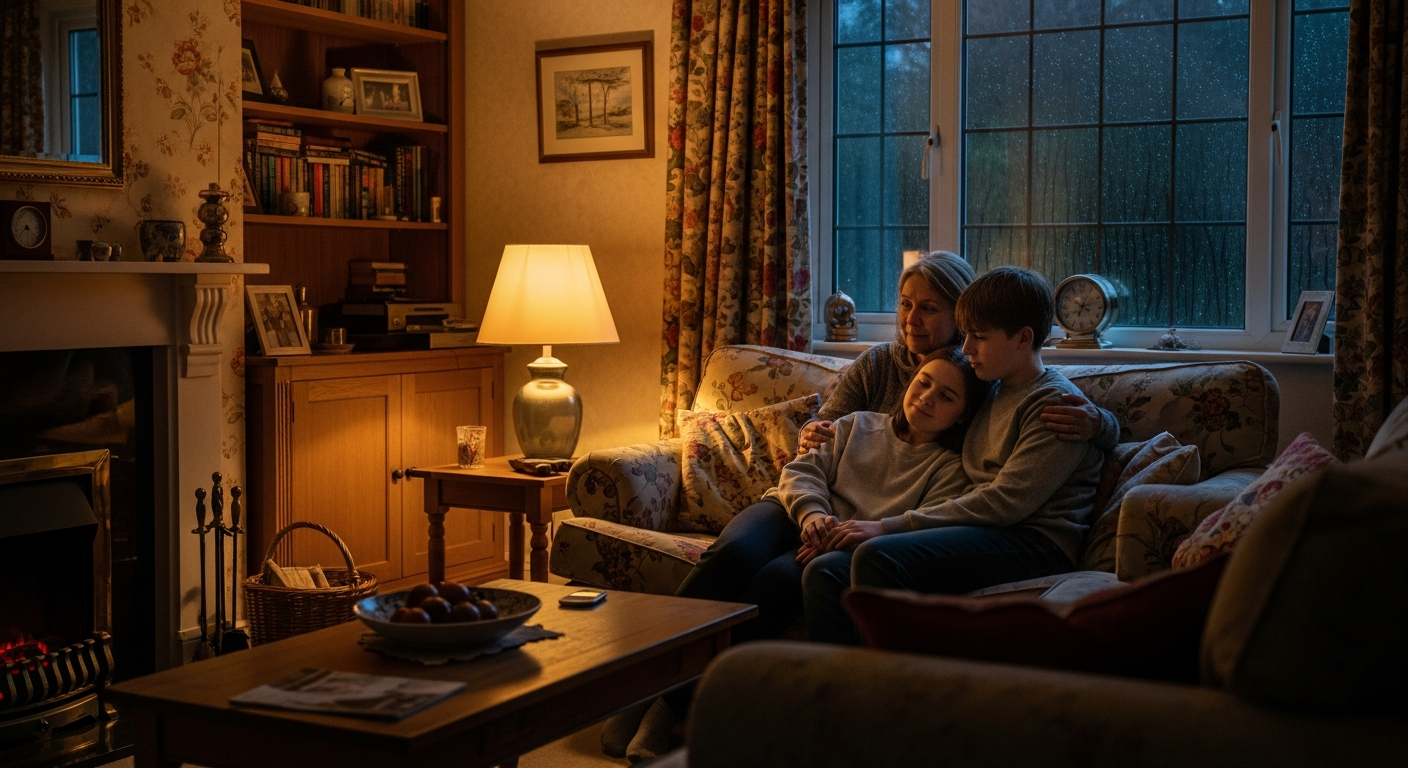
Most young people who carry a knife say they do it because they feel unsafe, not because they plan to hurt anyone. That matters, because it shapes how you should raise the subject.
Pick your moment
Avoid the doorway argument or the minute after a school phone call. Car journeys, walks and washing up work well because you are side by side rather than face to face.
Start with their world, not accusations
Try asking, "Do many people at your school carry knives?" or "Do you ever feel unsafe on the way home?" You are gathering information, not building a case.
Explain the risk they may not have considered
A knife is far more likely to be used against the person carrying it. Carrying one also makes a bad situation worse, and the law treats it seriously. Having a blade in a public place without good reason is an offence, even if it was never used.
Listen to the fear
If they say they carry it "just in case", take that seriously. Ask what they are afraid of, then help them find safer options: travelling with friends, agreeing a pick-up point, or telling a trusted teacher.
Know the warning signs
Unexplained money or new clothes, secrecy about who they are with, a change of friends, and sudden fear of certain places all deserve a calm conversation.
If you find a knife
Stay calm. Do not confront them in front of others. Talk to the school and, if you are worried, contact your local neighbourhood policing team on 101.
Where to get help
Fearless, run by Crimestoppers, lets young people pass on information anonymously. In an emergency, always call 999.