Domestic Abuse and Children: Understanding the Impact, Statutory Duties and the School Response 2026
Drawing on the Domestic Abuse Act 2021, Working Together 2026 and the latest ONS and NSPCC data: a comprehensive guide to recognising domestic abuse as a safeguarding concern and fulfilling your statutory duties to children in the home.
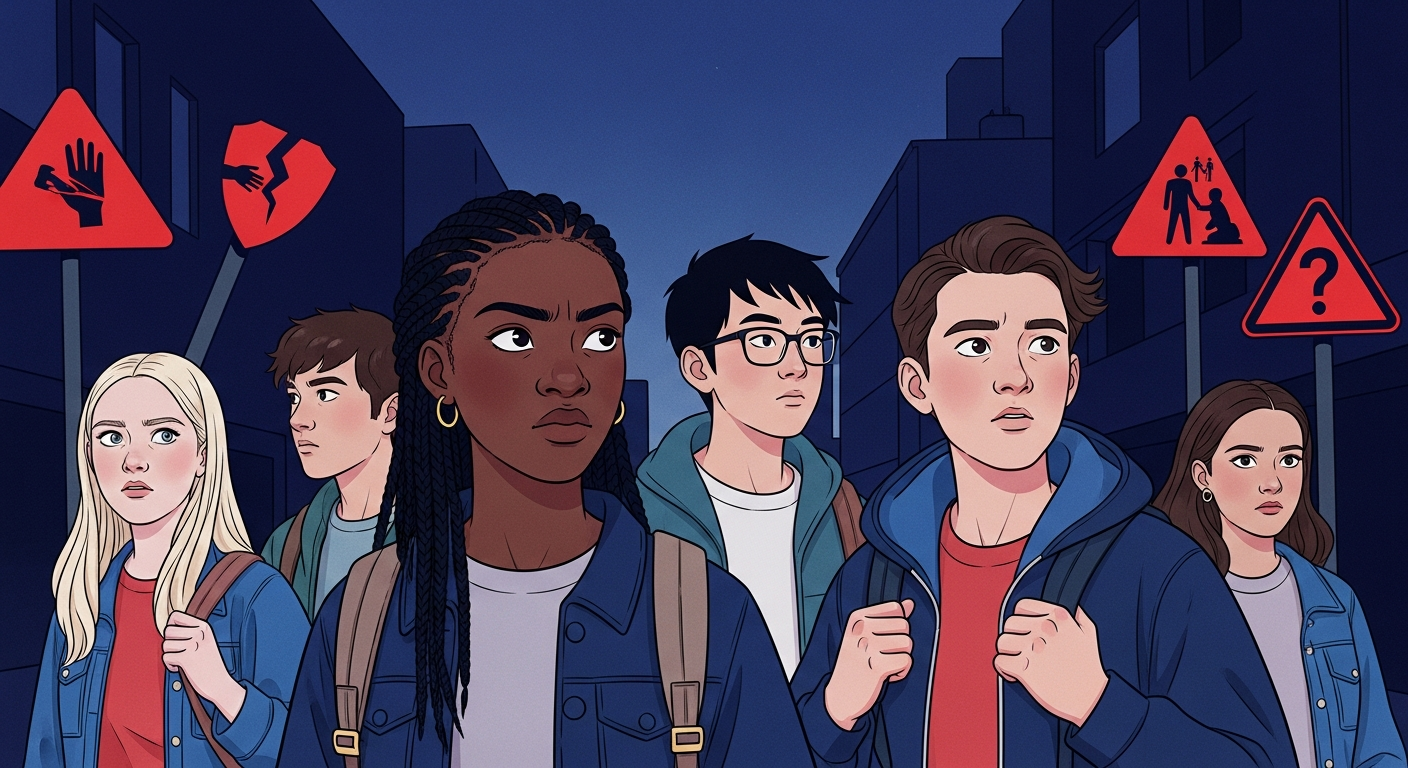
Key fact: Children living in households where domestic abuse is occurring are automatically recognised as children in need under the Children Act 1989. The Domestic Abuse Act 2021 extended the legal definition of "victim" to include children who see, hear or experience the effects of abuse.
The Scale of the Problem in England and Wales
The Office for National Statistics recorded 2.1 million adults experiencing domestic abuse in the year ending March 2024, but this figure vastly underestimates the problem. Children living in those households are separately harmed but not counted as primary victims in crime data. The NSPCC estimates around 1 in 5 children in England are exposed to domestic abuse at some point in their childhood.
How Domestic Abuse Harms Children: The Evidence Base
Children do not need to be directly assaulted to be harmed. Research from the NSPCC and the Anna Freud Centre consistently shows that exposure to domestic abuse, even without direct physical harm to the child, causes lasting developmental, psychological and neurological damage:
- Developmental delays: Babies and toddlers in abusive households show disrupted attachment, which affects emotional regulation, language development and social skills.
- Mental health impacts: Older children exposed to domestic abuse are significantly more likely to develop anxiety, depression and PTSD. The impact mirrors that seen in children who are directly abused.
- Intergenerational transmission: Without intervention, children who witness abuse are at elevated risk of entering abusive relationships as adults, either as victim or perpetrator.
- Academic underachievement: Domestic abuse is one of the most consistent predictors of school absence, exclusion, and poor GCSE outcomes, according to the Children's Commissioner.
The Legal Framework: What Domestic Abuse Is
The Domestic Abuse Act 2021 provides the first statutory definition of domestic abuse in England and Wales. Abuse is defined as physical or sexual abuse, violent or threatening behaviour, controlling or coercive behaviour, economic abuse, or psychological, emotional or other abuse. It applies to people aged 16 and over who are personally connected (including former partners and family members).
Section 3 of the Act recognises children as victims in their own right if they see, hear or experience the effects of domestic abuse. This removes any ambiguity about whether a child witnessing abuse is simply a 'witness'. Legally, they are a victim and must be responded to accordingly.
Signs of Domestic Abuse in a School or Early Years Setting
Child's Behaviour
- • Heightened anxiety, jumpiness or hypervigilance
- • Regression in younger children (bedwetting, clingy behaviour)
- • Aggression or, conversely, extreme passivity
- • Poor concentration, declining academic performance
- • Reluctance to go home; frequent "lateness" or absences
- • Age-inappropriate sexual knowledge or behaviour
Disclosures and Context
- • Direct disclosure from the child about events at home
- • Drawings, writing or play that depicts violence
- • Unexplained bruising or injuries
- • Parent consistently speaks for the child; child appears fearful of parent
- • Regular changes of address, school or carer
- • Sibling group all showing indicators simultaneously
Statutory Duties for Schools and Professionals
Under Working Together to Safeguard Children 2026 and KCSIE 2026, schools must:
- Treat any reasonable suspicion of domestic abuse affecting a child as a safeguarding concern requiring action, not a family matter.
- Refer to the MASH (Multi-Agency Safeguarding Hub) under a Section 17 (child in need) or Section 47 (child protection) framework where there is risk of significant harm.
- Not attempt to mediate between the perpetrator and victim or conduct investigations independently.
- Consider the perpetrating parent a risk, even where they are not the primary carer. Include risk assessment in any child protection plan.
- Support the non-abusing parent; avoid any approach that places further blame or responsibility on the victim.
Useful Contacts and Resources
Sources: Office for National Statistics (2024). Domestic abuse in England and Wales overview: November 2024 . ons.gov.uk. | DfE (2024). Characteristics of Children in Need: 2023, 24 . gov.uk. | NSPCC (2024). Domestic abuse: learning from case reviews . nspcc.org.uk. | Domestic Abuse Act 2021. | HM Government (2026). Working Together to Safeguard Children 2026 . DfE. | DfE (2024). Keeping Children Safe in Education 2026 . gov.uk. | Children's Commissioner (2024). The children of domestic abuse . childrenscommissioner.gov.uk.