Challenging Extremist Narratives: A Practical Guide for Secondary School Teachers and Tutors 2026
When extremist or radicalising views surface in the classroom through discussion, written work or online, how should teachers respond? This guide provides evidence-based techniques for facilitating difficult conversations, countering extremist narratives and maintaining the safe space essential to effective education.
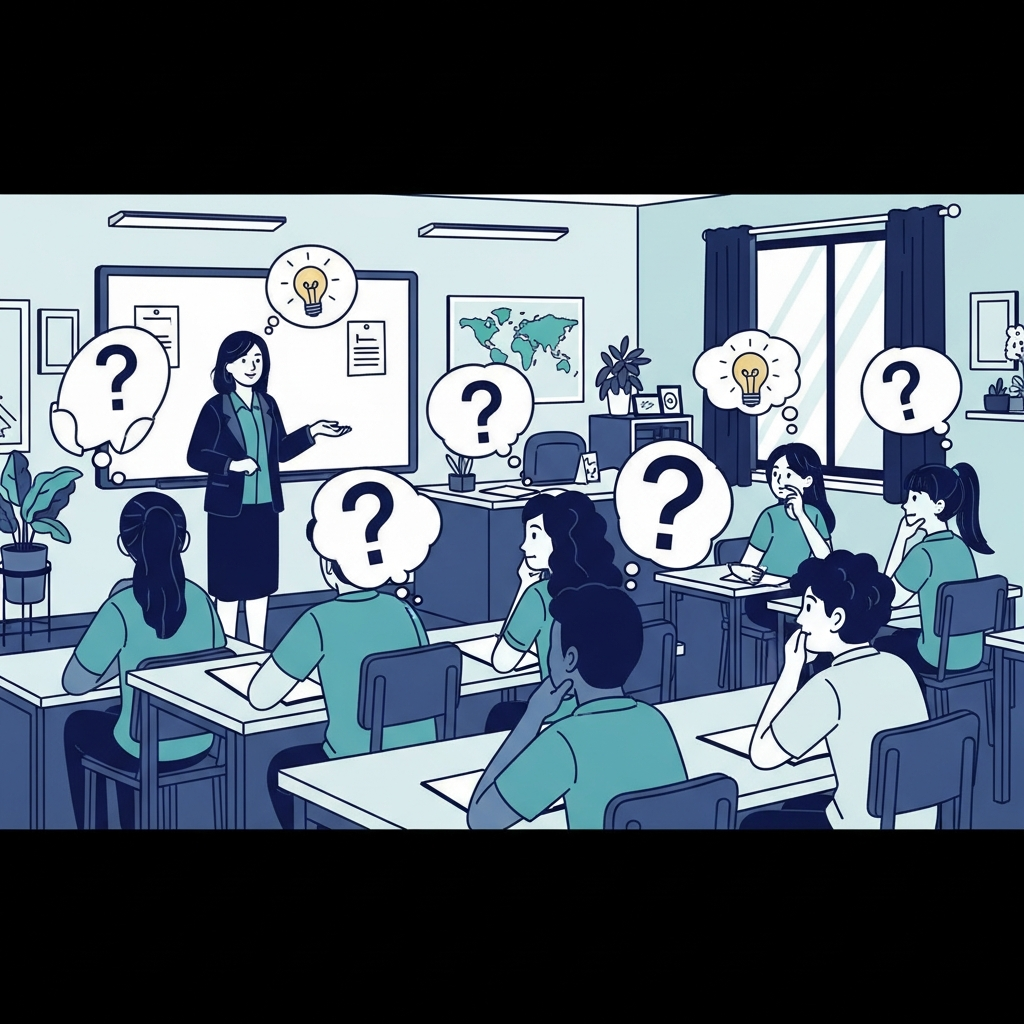
Under KCSIE 2026 and the Prevent Duty: Schools must promote Fundamental British Values: democracy, the rule of law, individual liberty, mutual respect and tolerance of different faiths and beliefs. This is not simply a poster-on-the-wall exercise. It requires active, ongoing work in the curriculum and pastoral space to challenge narratives that undermine these values.
The "Safe Space" Obligation
The Prevent Duty Guidance 2023 explicitly requires schools to ensure that they provide a "safe space" in which pupils can discuss difficult or controversial topics without fear of censure. This is a deliberate counter to the risk that heavy-handed approaches to Prevent will push radicalising views underground rather than surface them where they can be challenged.
This creates a productive tension for teachers. The classroom must feel safe enough for extremist views to be expressed, while the teacher must have the skills to challenge those views constructively. Getting this balance wrong in either direction, whether by silencing pupils or failing to challenge, undermines the Prevent objective.
Techniques for Challenging Extremist Narratives
The following evidence-based techniques are drawn from Prevent Duty training (WRAP: Workshop to Raise Awareness of Prevent), the Education and Training Foundation's work, and research by the Institute for Strategic Dialogue.
- Ask, don't tell: Rather than immediately correcting an extreme view, ask the pupil to evidence their position. "That's an interesting view. Where did you come across that?" encourages critical reflection without triggering defensiveness.
- Distinguish the view from the person: Separate your response from any judgment of the pupil. "I want to take that view seriously and think about it with you" is more effective than "that's wrong."
- Introduce counter-narratives through peer voices: Evidence consistently shows that peer-delivered counter-narratives are more persuasive than teacher-delivered ones. Case studies, testimony from former extremists (such as Life After Hate materials) and youth-led content are more credible to young people than adult instruction.
- The "third voice" technique: Rather than positioning yourself as the authority contradicting the pupil, introduce a third source: "a researcher at UCL found that..." This avoids the power dynamic becoming the focus of the discussion.
- Address the underlying need: Extremist ideology often appeals because it offers identity, belonging, purpose and simple explanations for complex grievances. Acknowledging the underlying need ("it sounds like you feel that something really unjust is happening; let's talk about that") is more effective than attacking the ideology directly.
- Know when to refer: Classroom discussion is not the appropriate forum for addressing significant radicalisation concerns. If a pupil expresses views that indicate genuine vulnerability, rather than provocative testing of boundaries, the matter should be referred to the DSL. The classroom should not become an informal Channel session.
WRAP Training: What It Covers
Workshop to Raise Awareness of Prevent (WRAP) is the standard Prevent awareness training for front-line staff. It is delivered by local authority Prevent leads and covers:
- What the Prevent Duty requires of the organisation
- Understanding the current threat landscape and types of extremism
- Recognising vulnerability factors and behavioural indicators
- How to make a Prevent referral via the DSL
- The Channel process and what happens after referral
KCSIE 2026 requires that all school staff receive Prevent awareness training, typically delivered through WRAP or an equivalent. DSLs should receive more detailed Prevent training on the Channel referral process. Training should be refreshed regularly and whenever there is a significant change to the threat context.
Subject-Specific Opportunities for Prevent Education
Sources: Home Office (2023). Prevent Duty Guidance for England and Wales . gov.uk. DfE (2024). Keeping Children Safe in Education 2026 . gov.uk. Home Office (2023). Workshop to Raise Awareness of Prevent (WRAP) . gov.uk. Education and Training Foundation (2024). Fundamental British Values and Prevent . etfoundation.co.uk. Institute for Strategic Dialogue (2023). Narratives and Counter-Narratives: Evidence Base . isdglobal.org. Life After Hate (2024). formerlies.org.