Cannabis and Young People: What Schools Need to Know About the Law, Risks, and Safeguarding Obligations
Cannabis remains the most commonly used illicit drug among UK teenagers. With high-potency strains now dominant, a growing vaping delivery method, and significant mental health risks for developing brains, what every DSL and parent needs to understand has changed considerably in the last five years.
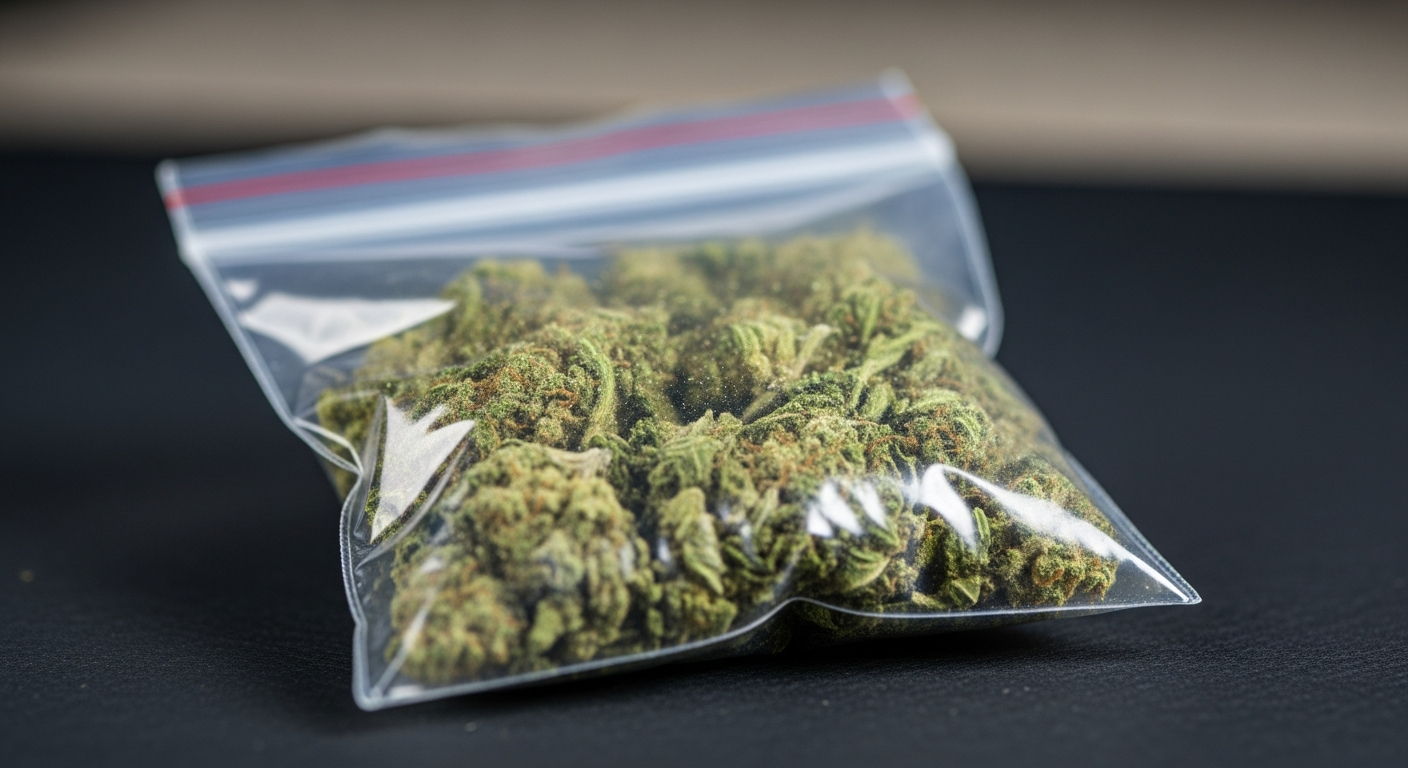
The Scale of the Problem
NHS figures consistently show cannabis as the most widely used drug among 11, 15 year olds in England. Around 6.6% of secondary-age pupils report use in the past year , a figure that rises significantly for older secondary pupils and those who are excluded, looked after, or at risk of exploitation. [1]
The cannabis available in 2025 is not the same substance as in previous decades. The Advisory Council on the Misuse of Drugs (ACMD) has repeatedly highlighted that average THC concentrations in UK cannabis have more than doubled since the early 2000s . Illicit market products frequently contain 20, 30% THC, compared to 4, 6% in traditional herbal cannabis. [2] This dramatically increases the risk of psychosis, dependence, and acute adverse effects.
The Law: What Every DSL and Parent Needs to Know
- Cannabis is a Class B controlled substance under the Misuse of Drugs Act 1971. Possession carries up to 5 years imprisonment; supply carries up to 14 years.
- There is no "caution threshold" in law. A young person found in possession at school can be prosecuted. In practice, many police forces use cannabis warnings for first-time possession, but this is discretionary and should not be assumed.
- Schools that discover cannabis on premises must report to police . Confiscating the substance without reporting is not appropriate and may constitute an offence by the school.
- Vaping cannabis using a vaporiser device loaded with cannabis concentrate or oil is increasingly common. It has no smell and is easily concealed, so a child using a vape device on school premises may be using cannabis, not nicotine.
Mental Health Risks and the Adolescent Brain
The relationship between adolescent cannabis use and mental health is now well established. Key evidence:
- Psychosis risk: Daily cannabis use in adolescence is associated with a 4-fold increase in the risk of psychosis in later life, rising to 5-fold for high-potency cannabis. The risk is greatest for those who begin use before age 15. [3]
- Depression and anxiety: Regular adolescent cannabis use is associated with increased rates of depression and anxiety in young adulthood, independent of pre-existing mental health conditions.
- Cognitive effects: The developing brain is particularly vulnerable. Memory, attention, and executive function can all be affected, with some research suggesting these effects persist into adulthood when use begins in early adolescence.
DSL Response: What to Do When Cannabis Is Found or Disclosed
If cannabis is found on a pupil
Confiscate and secure the substance. Contact police (101) and parents/carers. Complete a safeguarding record and consider MASH referral if there are additional vulnerability factors: exploitation links, county lines involvement, Child Protection Plan, or LAC status. Do not assume it is purely a disciplinary matter.
If a child discloses regular cannabis use
Listen without judgement. Assess the context: how are they obtaining it? Is there any suggestion of exploitation, debt bondage, or county lines involvement? Refer to school counsellor for substance support, and consider referral to CAMHS where there are mental health concerns. Involve parents unless doing so would place the child at greater risk.
Support Referrals: Cannabis and Substance Misuse
Citations
[1] NHS Digital (2024). Smoking, Drinking and Drug Use among Young People in England 2023. NHS Digital.
[2] ACMD (2023). Cannabis: Risks to Mental Health. Advisory Council on the Misuse of Drugs, GOV.UK.
[3] Di Forti, M. et al. (2019). The contribution of cannabis use to variation in the incidence of psychotic disorder across Europe. The Lancet Psychiatry, 6(5), 427, 436.
[4] Department for Education (2024). Keeping Children Safe in Education 2026. GOV.UK.
[5] ONS (2024). Drug Misuse in England and Wales: Year Ending March 2024. Office for National Statistics.