How to Talk to Your Child About Mental Health: Opening the Conversation Without Pushing Them Away
A practical, evidence-based guide for parents on recognising signs of mental health difficulties in children and young people, and the conversation techniques that actually work, backed by NHS, YoungMinds and NSPCC research.
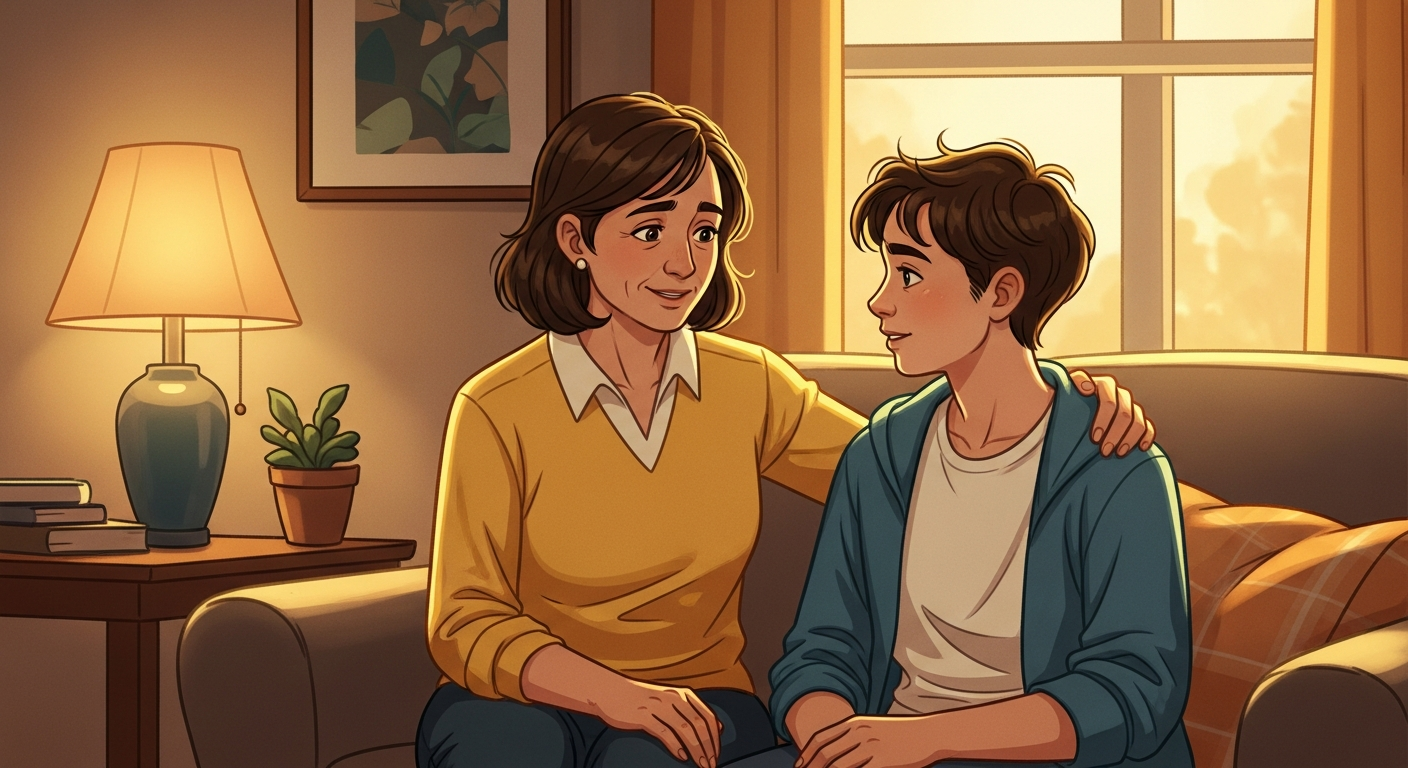
Why this matters: NHS Digital found that 1 in 6 children aged 6 to 16 in England had a probable mental health disorder in 2023, up from 1 in 9 in 2017. YoungMinds reports that 70% of young people with mental health problems had not received appropriate help at an early enough age. Early parental conversation is one of the most protective factors available.
Why Children Don't Tell Us
Before opening the conversation, it helps to understand the barriers children face in disclosing mental health difficulties to parents:
- Fear of worry: Many young people stay silent specifically to protect their parents. They see distress as their responsibility to manage.
- Stigma: Despite public awareness efforts, stigma around mental illness remains a powerful barrier, particularly for boys and young men.
- Inability to articulate: Children often don't have the vocabulary for what they're experiencing. They may not identify their feelings as "depression" or "anxiety". They just know something feels wrong.
- Fear of consequences: Worry that disclosure will lead to hospital, school involvement, or restriction of freedoms.
Warning Signs to Watch For
Changes to Watch For
- • Sleep pattern changes (insomnia or sleeping excessively)
- • Appetite changes or significant weight change
- • Social withdrawal from friends, family and activities they previously enjoyed.
- • Declining school performance or persistent absence
- • Increased irritability or emotional outbursts disproportionate to triggers
- • Loss of interest in hobbies, goals or the future
Urgent Signs. Seek Help Immediately
- • Self-harm (cutting, burning, or other injury)
- • Expressed feelings of hopelessness, worthlessness or being a burden
- • Giving away prized possessions
- • Direct or indirect references to suicide or "not being here"
- • Significant unexplained changes in behaviour over a short period
Conversation Techniques That Work
The following approaches are drawn from evidence-based models used by CAMHS practitioners, YoungMinds and the Anna Freud Centre:
- Choose the right moment: Avoid formal "sit down" conversations. Instead, use "side-by-side" moments: in the car, on a walk, watching TV together. Lower visual pressure reduces defensiveness.
- Open with observation, not accusation: "I've noticed you seem a bit flat lately. I just wanted to check in" lands very differently to "Are you depressed?"
- Normalise without minimising: Share that many young people feel this way without dismissing their specific experience. "A lot of people go through periods like this. We can get through it together."
- Listen more than you speak: Use active listening techniques. Reflect back what they've said. Silence is not failure. It gives them space to continue.
- Avoid immediate "fixing": The instinct to solve is strong, but a young person who feels heard is far more likely to accept help than one who feels problem-solved at.
- Be explicit about confidentiality limits: If you may need to involve others (school, GP), be honest about this. Frame it as support, not punishment.
When and How to Seek Help
If you have concerns about your child's mental health, the following pathways are available:
- GP referral: Your first port of call for a CAMHS (Child and Adolescent Mental Health Services) referral. Waiting times vary significantly by area.
- School counsellor or ELSA: Many schools now have Emotional Literacy Support Assistants and counsellors. Ask your child's school what is available.
- YoungMinds Parents Helpline: 0808 802 5544 , free support for parents worried about a young person's mental health.
- Crisis support: If you believe your child is in immediate danger of harming themselves, call 999 or take them to your nearest A&E.
Sources: NHS Digital (2023). Mental Health of Children and Young People in England 2023 . digital.nhs.uk. | YoungMinds (2024). Young People's Mental Health Statistics . youngminds.org.uk. | NSPCC (2024). Child mental health: Signs, symptoms and how to help . nspcc.org.uk. | Anna Freud Centre (2023). Mental health in schools: A guide for teachers . annafreud.org. | NHS (2024). Children and young people's mental health services (CYPMHS) . nhs.uk.